Tissue Diagnostic Is Beneficial For Cancer Diagnosis and Developing Treatments for Targeted Therapies
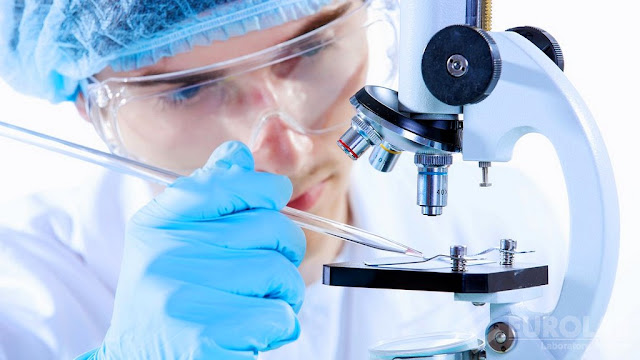
Tissue diagnostic Tissue diagnostic is a type of histology that uses tissue from organs and tumors to diagnose diseases. This field of medicine is also known as histology, anatomic pathology, or cell and tissue diagnostics. A tissue diagnostic is an examination of a suspicious tumor. It is an important part of diagnosing cancer. Tissue samples can be obtained by cutting through the skin or a soft tissue such as the lining of the intestines (endoscopy). Once removed, the tissue is sent to a laboratory or department of pathology to be examined by a histopathologist. For examining the sample, a pathologist must first cut it into very small pieces. This process makes it possible to see the tissue under a microscope. To make the sample more solid, a substance called formalin is used. Once the tissue has been stabilized, it is then cut into sections that can be seen under the microscope. Histopathologists then analyze the tissue samples to find out if they are malignant. This in...


